Darlene Hunter - "How Executive Teams Create Competitive Advantage Through Culture"
Darlene Hunter, Vice President and Head of Human Resources at Eastridge, demonstrates how culture can become a true competitive advantage. She connects belonging, clear expectations, and development to productivity, retention, and profitability. Darlene explains why leaders must speak the language of EBITDA while practicing empathy and accountability. She closes with a challenge to define, test, and live an authentic culture of care.
EPISODE: Darlene Hunter Vice President, Head of Human Resources @ Eastridge How Executive Teams Create Competitive Advantage Through Culture A Conversation Darlene Hunter 42
Darlene Hunter, Vice President and Head of Human Resources at Eastridge, demonstrates how culture can become a true competitive advantage. She connects belonging, clear expectations, and development to productivity, retention, and profitability. Darlene explains why leaders must speak the language of EBITDA while practicing empathy and accountability. She closes with a challenge to define, test, and live an authentic culture of care. Episode Description
Table of Contents Introduction to Darlene Hunter(0:23) Full Episode (29:34) Highlights Video (2:58) Defining Culture As Community, People, and Belongingness (1:07) Investing In People To Win Competitive Markets (2:13) Meeting People Where They Are Today (2:16) Driving Retention Through Transparency And Development (3:23) Putting Culture Next To EBITDA And NRR (3:33) How Advocacy Creates Psychological Safety At Work (1:56) Coaching Turns A Raise Request Into Yes (2:02) Creating a Culture Of Care With Real Accountability (2:35) Recruiting Like A Team Built For Champions (3:28) Retaining Talent and Keeping Your Superstars for Company Growth (2:27) Defining And Proving Your Culture Of Care (0:55) Short - Investing In People To Win Competitive Markets (0:56) Short - Putting Culture Next To EBITDA And NRR (0:53)
(0:23) Introduction to Darlene Hunter “Retail taught me so much about all kinds of people, and gave me the passion to help people and drive those cultures that I talk about today”
5 Full Episode “Culture shapes the environment, and when people feel respected, valued, welcome, and belong, they will produce more. They will move a mountain for you. We all know that it is the people who drive the business, and that is why it is critically important to invest in their well-being. The heart of a company is the people.”
(2:58) Highlights Video

(1:07) Defining Culture As Community, People, and Belongingness “When I think about culture, I think about feeling warm and welcoming. It is the environment that we all work in, and the norms and the values that we hold important to us as individuals.”
8 (2:13) Investing In People To Win Competitive Markets “When you invest in your people and create an environment that they feel welcome, creative, and innovative, they will come to work every day wanting to win and help the company be successful.”
“People change, things change, and companies have to change with it. So, it's important to meet people where they are. That will drive the success and the competitive advantage from the companies that are not doing that.” (2:16) Meeting People Where They Are Today
(3:23) Driving Retention Through Transparency And Development “When we are transparent with pay and open about expectations, retention increases and so does morale. When morale is high, it goes back to productivity and profitability for the organization.”
(3:33) Putting Culture Next To EBITDA And NRR “We are losing a lot of people because we are not flexing our communication style to help our employees understand why they're valued, why their role is important, and how they're contributing to the organization's overall profitability.”
12 (1:56) How Advocacy Creates Psychological Safety At Work “Providing psychological safety means that we give them a space where they can vent and then we give them the tools and resources to have an intelligent, informed conversation with their leaders around the struggles, issues, or concerns that they're having in the workplace. The ultimate goal is to keep them in their jobs, help them to be promoted, and help the organizations they are in to grow and be profitable.”
(2:02) Coaching Turns A Raise Request Into Yes “We had someone come to us, and they really believed that they were entitled to get a pay increase. We coached them around having a conversation, building up a document that supported what they were doing and how they were shaping some of the projects. So, they were able to share why they believed they were entitled to an increase, received it, and came back saying, “It wasn't as hard as I thought.”
14 (2:35) Creating a Culture Of Care With Real Accountability “When we talk about empathy, we talk about putting yourself in someone else's shoes, understanding how someone might feel in a situation. It doesn't mean that accountability can't happen because you have a culture of care. We show up every day to do a job that we're getting paid to do, and that's the expectation. But we could care about the fact that their mother may be sick or their child may be sick, or they could have a bad day.”
“We all want someone who is going to help us get to the ‘Super Bowl’. We are looking for someone who wants to be part of our team, who can contribute to the team, and who would love to be here. That's how we should look at recruiting.” (3:28) Recruiting Like A Team Built For Champions
(2:27) Retaining Talent and Keeping Your Superstars for Company Growth “The team that won last year is not the same if we lose key people. How can we retain talent on our team to continue winning? We try to retain top clients, but do we do the same for our people?”
(0:55) Defining And Proving Your Culture Of Care “We have to define our culture of care and ask the questions: How are you caring for your employees, and is it working? Do your employees feel like the culture of care that you defined? Do they feel like they are in a culture of care? We should walk the talk.”
YOUTUBE SHORT: “When you invest in your people and create an environment that they feel welcome, creative, and innovative, they will come to work every day wanting to win and help the company be successful.” - Darlene Hunter

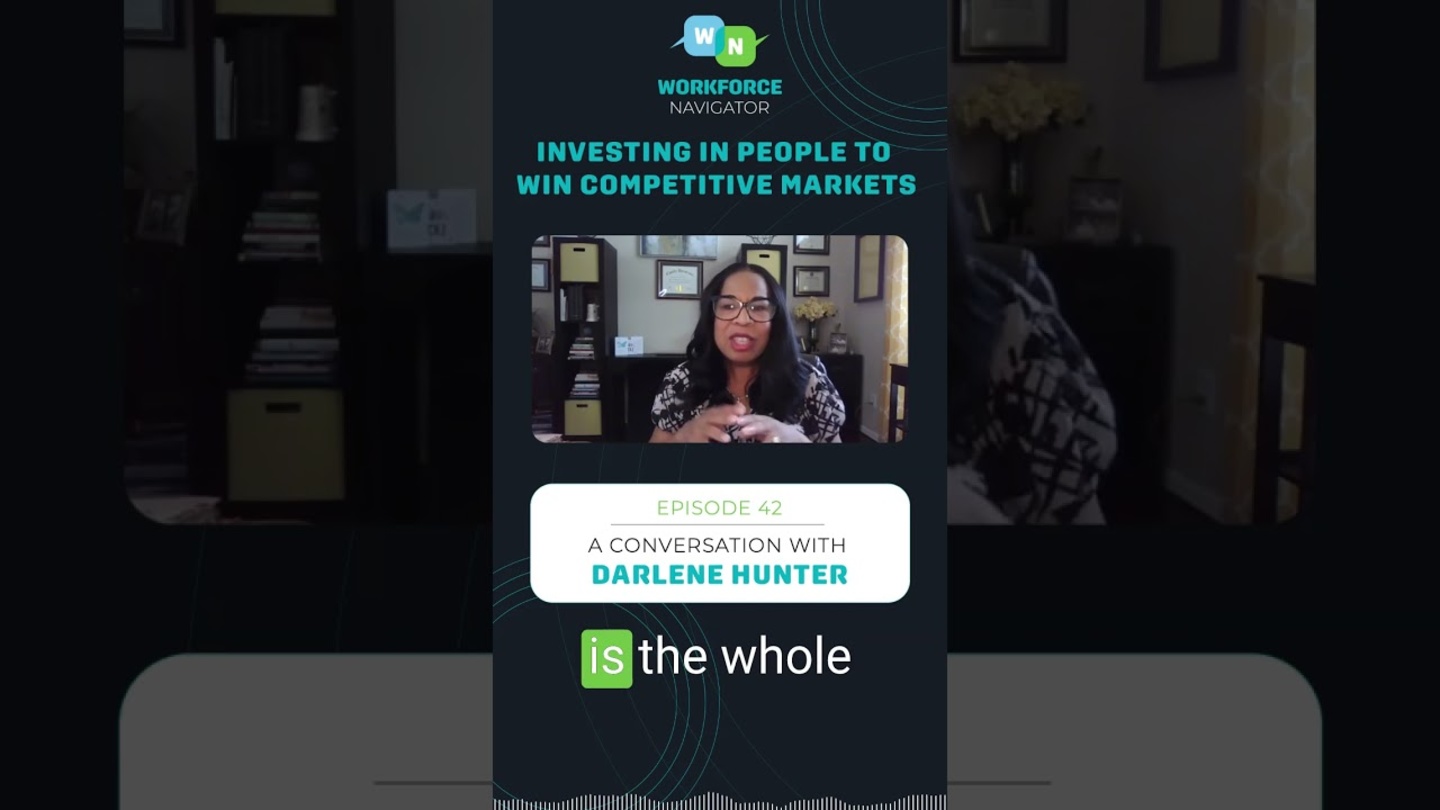
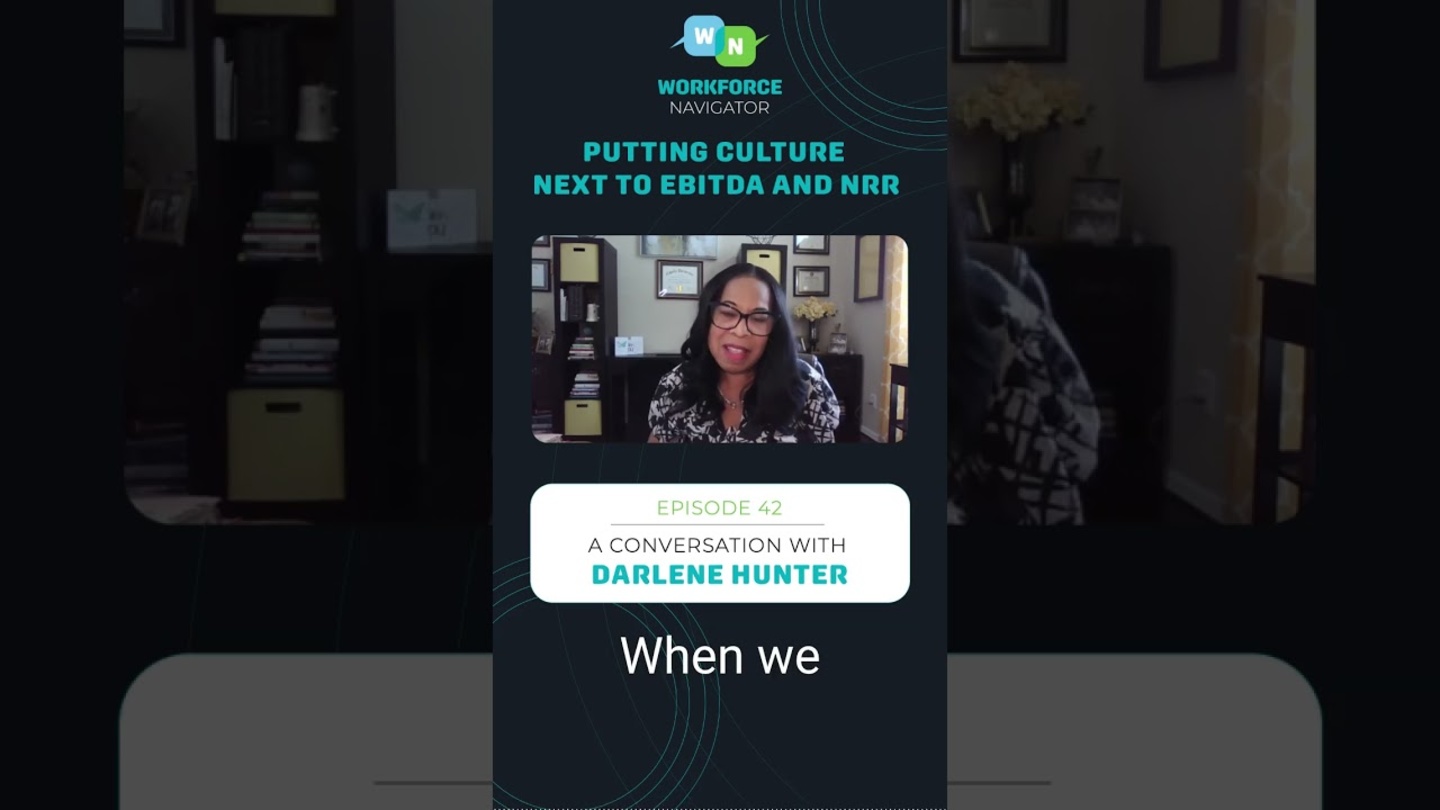
YOUTUBE SHORT: “We are losing a lot of people because we are not flexing our communication style to help our employees understand why they're valued, why their role is important, and how they're contributing to the organization's overall profitability.” - Darlene Hunter

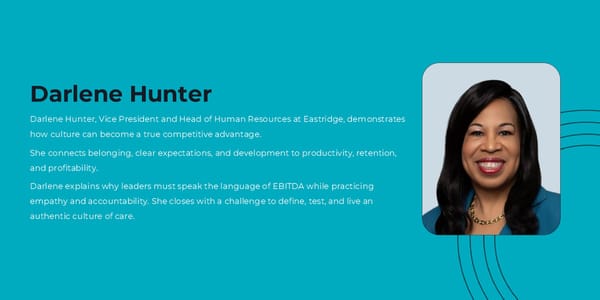
Darlene Hunter Darlene Hunter, Vice President and Head of Human Resources at Eastridge, demonstrates how culture can become a true competitive advantage. She connects belonging, clear expectations, and development to productivity, retention, and profitability. Darlene explains why leaders must speak the language of EBITDA while practicing empathy and accountability. She closes with a challenge to define, test, and live an authentic culture of care.
About Eastridge professional / technical industrial employer of record recruitment process outsourcing managed service provider programs Talient Established in 1972, Eastridge Workforce Solutions is an employee-owned provider of full-service talent acquisition and management solutions for companies globally. Eastridge provides a full range of solutions including professional / technical and industrial staffing. We also provide workforce management solutions such as employer of record, recruitment process outsourcing, as well as managed service provider programs. Our services are backed with Talient, a proprietary workforce technology that streamlines every step of managing your extended workforce.
22 Watch our podcast on your favorite platform